
CBT for Anxiety
We live in anxious times. CBT can help.
My aim is to share cutting-edge, science-based strategies for anxiety and related conditions, in an atmosphere of warmth and compassion.
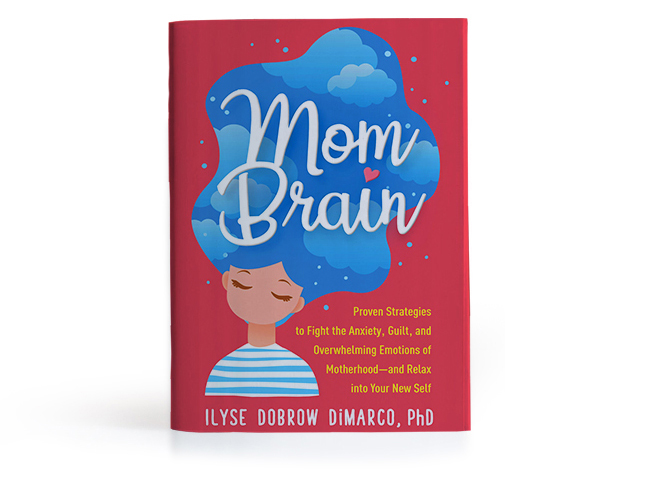
Mom Brain
Parenting is hard. CBT can help.
As a mom of two, I know how joyful parenting can be. And how challenging. I wrote Mom Brain to help parents navigate the ups and downs of raising children, using research-supported strategies.
“Mom Brain is an outstanding contribution and a gift to new moms everywhere.”
– Lisa Damour PhD, Parenting expert and New York Times bestselling author
Interested in working with me?
Contact Dr. Ilyse
Please give me a call, send me an email or complete the form below. I look forward to hearing from you.
My information:
Ilyse Dobrow DiMarco, Ph.D.
47 Maple Street
Suite L-22
Summit, NJ 07901
Your information:
As Featured In